In the modern world of architectural design, meticulous planning is the bedrock of creating functional, safe, and visually appealing structures. High-quality architect design firms are distinguished by their adept use of specific planning elements that harmonize creativity with structural practicality. These elements do not merely steer projects to success; they ensure that client expectations are met, if not exceeded, while adhering to strict environmental, budgetary, and regulatory standards.
Planning extends far beyond the fundamental blue lines drawn on a page. It is an intricate, multi-layered process involving rigorous site analysis, holistic client needs assessments, and strict regulatory compliance, among other vital components. By exploring these essential elements, this article delves into how premier architect design firms navigate the complexities of modern architectural design, preserving both the aesthetic brilliance and functional essence of their projects.
Firms that aspire to achieve true architectural excellence understand the necessity of detailed planning. Without a deeply structured framework, the delicate balance between design innovation and real-world application can easily falter. Ultimately, understanding how industry leaders approach these developmental phases highlights the methods employed to craft enduring, sustainable, and inspiring buildings.
1. Contextual and Environmental Analysis
The first major planning element utilized by top-tier firms revolves around understanding the physical, environmental, and cultural framework of a project. A building does not exist in a vacuum; it must respond directly to its surroundings.
Site Analysis
Site analysis is the first critical step in understanding the unique canvas upon which a building will rise. High-quality architect design firms conduct detailed evaluations to grasp the physical characteristics and limitations of a specific geographic location. These evaluations encompass geographical, topological, and climatic conditions that directly influence how a building interacts with its environment over time. Legal constraints, such as zoning laws and easements, are also scrutinized to ensure compliance from the start.
The baseline market context highlights the sheer volume of competition surrounding these technical evaluations. According to IBISWorld, there are 78,909 Architects businesses in the US as of 2023, emphasizing the competitive nature of the industry, which necessitates thorough site analysis to stand out.
Environmental assessments form a substantial part of this phase, taking into account the potential long-term impact on surrounding ecosystems. This involves evaluating factors like drainage patterns, soil stability, native vegetation, and the site's structural history to preserve natural features wherever possible. By integrating this detailed information into the planning phase, firms can design buildings that work in tandem with nature rather than against it, significantly contributing to regional sustainability efforts.
Understanding the site's history and cultural context is also vital, as it offers insight into local preferences and historical preservation needs. Structures ought to reflect a deep awareness of their surroundings. This sensitivity helps in creating designs that resonate deeply with the local community, ensuring that new developments complement rather than overshadow existing historical landmarks.
Client Needs Assessment
Gathering and analyzing client needs is crucial in the early phases of a project. Reputable architect design firms implement systematic processes to capture client visions, expectations, and financial requirements. This comprehensive approach includes structured interviews, detailed questionnaires, and collaborative workshops, which help clarify the client's long-term objectives and aesthetic priorities.
Understanding the client's core perspective allows for creating a cohesive plan that aligns with their vision and the intended purpose of the space. It also builds a strong foundation for open communication and trust throughout the project lifecycle.
Client needs assessments not only to address individual desires but also to consider broader organizational or community goals. The scale and scope of client operations, for instance, can dictate exact space allocation and functional requirements. Through in-depth discussions and strategic analysis, firms ensure that the final design comfortably accommodates present needs while seamlessly anticipating future growth or operational changes.
The ability to tailor design solutions based on nuanced client insights is one distinguishing factor among high-performing firms. By balancing aesthetic desires and practical needs, firms deliver customized solutions that delight clients. This careful consideration often results in spaces that are highly adaptable, user-friendly, and in perfect harmony with the clients' lifestyle or business operations.
2. Collaborative Concept Development and Iteration
The second core planning element bridges the gap between raw ideas and actionable designs. It relies heavily on creative collaboration and continuous refinement.
Idea Generation and Brainstorming
The design concept development phase is where creativity thrives. Exceptional architect design firms foster workplace environments that actively encourage cross-disciplinary idea generation and collaboration. Brainstorming sessions, workshops, and design competitions are commonly employed to spark innovation and inspire unique structural solutions.
This collaborative spirit thrives on diversity of thought, allowing architects to draw from varied perspectives and cultural experiences. By embracing experimentation and open dialogue, firms can explore unorthodox ideas that may lead to groundbreaking designs. This culture of creativity ensures that every project has a distinct character aligned with the client's vision.
Sketching, Modeling, and Stakeholder Collaboration
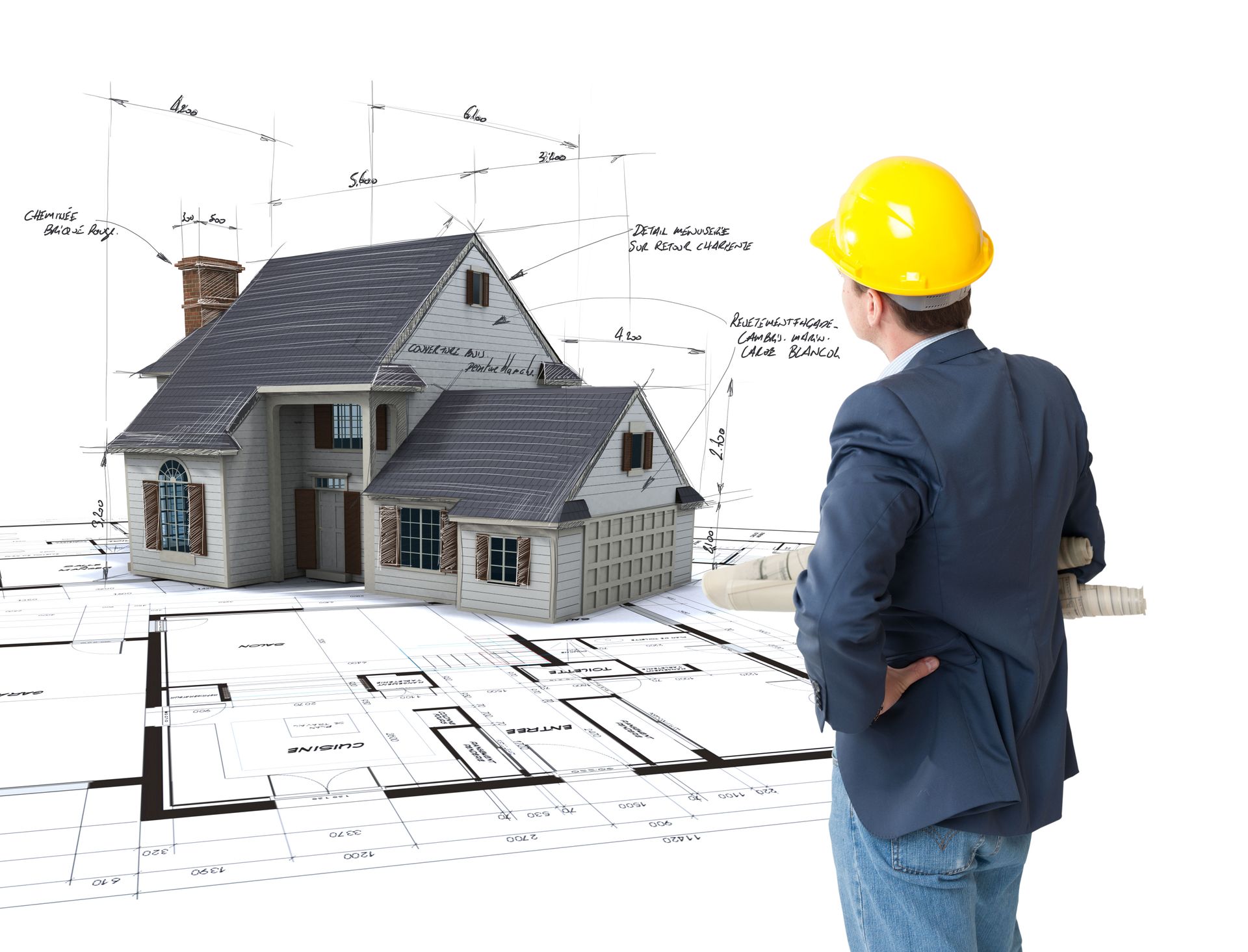
Sketching and modeling serve as fundamental tools for visualizing and refining architectural ideas. Initial hand sketches provide a tangible means of exploring concepts, capturing the essence of a design without being bogged down by technical details.
The transition from sketching to 3D modeling allows architects to delve deeper into the spatial arrangement and structural feasibility of their designs. Advanced Building Information Modeling (BIM) software enables architects to assess how various systems interact, refine layouts, and experiment with materials and lighting. These digital representations provide a comprehensive preview of the final building, helping stakeholders make informed decisions.
3. Strict Regulatory and Technical Planning
The final planning element moves the project into the realm of strict execution, transforming creative visions into precise technical plans that comply with safety and legal frameworks.
Regulatory Compliance and Documentation
Adhering to regulatory requirements is a non-negotiable aspect of architectural planning. High-quality architect design firms dedicate significant resources to understanding and navigating complex zoning laws, municipal building codes, and safety regulations. This expertise ensures that projects proceed smoothly without legal hindrances or costly design revisions.
Ensuring regulatory compliance involves meticulous documentation and coordination with relevant authorities and stakeholders. Architects must stay informed about evolving zoning policies, accessibility guidelines (such as ADA compliance), and innovative engineering solutions to meet new standards. This proactive approach helps avoid administrative bottlenecks during the approval process and protects the overall project timeline.
Accurate cost estimation is a pivotal aspect of architectural planning, ensuring that projects stay within budget while delivering desired outcomes. High-quality architect design firm employ sophisticated cost estimation techniques to provide clients with transparent and reliable budgeting. This involves detailed analysis of factors such as material fluctuations, labor rates, equipment rentals, and contingency funds.
Technical considerations are equally vital for translating design into reality, ensuring that architectural vision aligns perfectly with structural feasibility. Design firms work closely with specialized engineering consultants to optimize mechanical, electrical, plumbing, and structural systems. This holistic approach ensures that each element of the design fulfills its intended function seamlessly.
The hallmarks of exceptional architectural execution lie within the rigor of the early planning phases. By masterfully executing detailed site and environmental analyses, fostering open collaboration during concept development, and maintaining unwavering adherence to regulatory and technical frameworks, premier architect design firms consistently deliver spaces that stand the test of time. These strategic planning methodologies minimize real-world risks, protect client capital, and elevate human experiences within the built environment.
If you are prepared to transform your commercial or residential vision into an enduring, expertly coordinated reality, partner with a team that prioritizes precision planning from day one. Contact IGW Architecture today to collaborate with industry-leading professionals dedicated to architectural excellence.







Share On: