
Sustainable building design is more than just a modern trend; it's a crucial element in enhancing property value. This integration of environmentally friendly practices into architecture and construction not only contributes to a healthier planet but also offers financial benefits. Incorporating sustainable elements can increase long-term savings and attract a wider pool of buyers and renters. As environmental concerns grow, sustainable design offers an opportunity to future-proof properties against changing regulations and market demands. The intersection of environmental responsibility and economic benefit underscores the significance of sustainable design in property value enhancement.
Understanding Sustainable Building Design
Definition and Principles
Sustainable building design involves creating structures that minimize environmental impact while maximizing efficiency and health benefits. It embodies principles of energy efficiency, water conservation, and the use of eco-friendly materials. The core idea is to reduce waste and enhance sustainability throughout the building's lifecycle. A focus on these principles ensures that buildings are better for the environment and more cost-effective for their owners. By integrating these elements, sustainable design optimizes both ecological and economic outcomes.
Key Components of Sustainable Building
Key components of sustainable building design include energy-efficient systems, renewable energy integration, and sustainable materials. Energy-efficient systems such as advanced HVAC systems and LED lighting reduce overall energy consumption. Renewable energy solutions like solar panels further decrease the dependency on non-renewable resources. The use of recycled and locally sourced materials not only lowers the carbon footprint but often provides more durable and healthier building options. These components collectively contribute to the property's increased asset value and market appeal.
Comparison With Traditional Building Design
Traditional building designs often prioritize cost over environmental impact, whereas sustainable designs emphasize efficiency and sustainability. Conventional buildings might rely more on fossil fuels, whereas sustainable designs focus on renewable resources. The initial investment in sustainable buildings might be higher, but this is offset by lower operational costs and reduced environmental impact. According to the U.S. Green Building Council, upfront investment in green building makes properties more valuable, with an expanding number of building owners seeing a 10% or greater increase in asset value. This reflects a shift in industry priorities from short-term savings to long-term sustainability.
The Role of Green Certifications
Green certifications like LEED and BREEAM play a crucial role in promoting sustainable building practices. These standards assess a building's sustainability and provide a framework for improving building performance. Certification can enhance a property's marketability by demonstrating its commitment to sustainability. It serves as a benchmark for buyers and tenants looking for environmentally responsible options. Green certifications often correlate with increased asset value, attracting investment and tenant interest.
Financial Benefits of Sustainable Building Design
Increased Marketability
Sustainable buildings are becoming a preferred choice for investors and consumers, thanks to their cost-effectiveness and environmental benefits. As green design becomes a desirable feature, properties incorporating these elements often command higher premiums. Marketability is enhanced because sustainable buildings are perceived as modern, innovative, and responsible. They increasingly appeal to environmentally conscious buyers and tenants seeking to reduce their carbon footprint. As a result, demand for these properties is often higher than for traditionally designed buildings.
Energy Efficiency and Cost Savings
Energy efficiency is a central benefit of sustainable buildings, significantly reducing utility costs. Advanced insulation, energy-efficient appliances, and renewable energy solutions minimize electricity and heating expenses. These savings contribute to a more attractive total cost of ownership, increasing the property's overall value. Over time, the reduced operational costs make sustainable buildings a smarter financial choice for owners. The financial appeal of significantly lower monthly bills is a powerful draw for prospective buyers and renters.
Higher Property Appraisal Values
Properties with sustainable features often achieve higher appraisals due to their reduced operational costs and increased market appeal. The integration of green technologies and materials positively influences an appraiser's assessment. Sustainable features that enhance durability and efficiency increase the property's lifespan and therefore its value. Additionally, the awareness and demand for such features are growing, making them more valued in the current market. This trend signifies a shift towards recognizing the long-term value of sustainable practices in real estate.
Return on Investment (ROI) in Green Buildings
Investors find that green buildings can offer a competitive ROI due to their growing market demand and operational savings. The reduced cost of energy and maintenance boosts net operating income, enhancing investment returns. Properties with sustainable certifications often attract premium rates, providing a lucrative income stream. In addition, the resale value of green properties tends to appreciate more significantly, offering a successful exit strategy. This makes green buildings an increasingly attractive prospect for investors compared to traditional counterparts.
Incentives and Tax Benefits
Many countries and states provide incentives and tax benefits for sustainable building design, further enhancing their financial appeal. Incentives may include tax credits, rebates, or low-interest loans for adopting renewable energy sources. These financial benefits make the adoption of sustainable practices significantly more affordable and appealing. Such measures reduce the effective cost of sustainable construction, enhancing the profitability of green projects. These incentives play a crucial role in encouraging more developers and builders to embrace sustainable practices.
Environmental Impact and Property Value
Reduction of Carbon Footprint
Sustainable building design significantly reduces the carbon footprint of properties through energy-efficient systems and renewable energy use. Lower energy consumption results in fewer greenhouse gas emissions. These reductions not only save money but make a property more attractive to eco-conscious buyers and tenants. Reducing carbon footprints is increasingly seen as a crucial factor by individuals and organizations looking to improve sustainability. Environmentally responsible properties often achieve higher values due to their reduced environmental impact.
Contribution to Urban Biodiversity
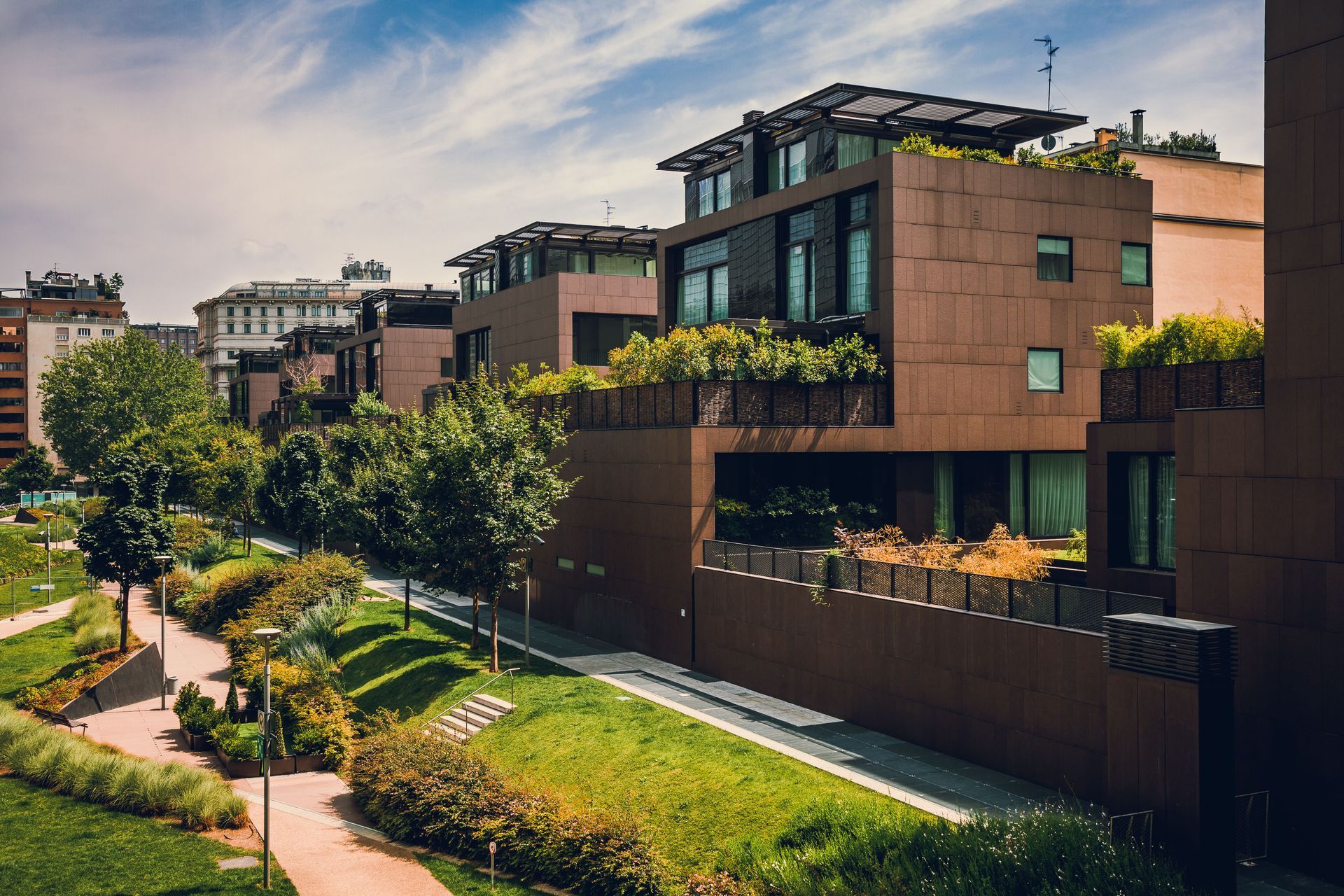
Sustainable buildings can enhance urban biodiversity through green roofs, vertical gardens, and biodiversity corridors. These features support local wildlife, contributing to a healthier urban ecosystem. By incorporating natural elements, sustainable buildings transform urban environments into green oases. These ecological benefits provide substantial appeal for those looking to live and work in a healthy, natural environment. By fostering biodiversity, these buildings elevate property value and enhance community quality of life.
Mitigation of Urban Heat Island Effect
The urban heat island effect is a significant concern that sustainable buildings aim to mitigate. Green roofs and reflective materials are used to reduce heat absorption and promote cooler city environments. This not only makes cities more comfortable but also reduces energy needs for cooling. Such innovations contribute to improved air quality and public health, drawing more people to sustainable properties. As awareness of urban heat issues grows, properties that mitigate this effect stand out in the market.
Preservation of Natural Resources
Sustainable buildings prioritize the efficient use of natural resources, conserving water, energy, and raw materials. By incorporating rainwater harvesting systems and energy-efficient technologies, they minimize resource consumption. These conservation efforts lead to cost savings and help in preserving the planet's resources for future generations. As concerns over resource scarcity grow, such proactive measures are increasingly valued. Buildings that actively preserve resources attract higher valuations and more responsible tenants and buyers.
Sustainable building design not only provides vast environmental benefits but significantly enhances property value. The integration of sustainable practices aligns economic interests with environmental responsibility. By adopting energy-efficient technologies and materials, properties become more valuable to developers, investors, and homeowners. The success stories and studies show a compelling case for embracing green building practices. Sustainable design represents a future-proof investment that benefits individuals, communities, and our planet. Reach out to IGW Architecture today to start designing a seamless, beautifully integrated upgrade for your home.

Share On: