
The growing importance of sustainable building designs is reshaping the future of architecture and construction, where the focus extends beyond mere aesthetics to a multidimensional approach encompassing environmental, economic, and social considerations. As society becomes increasingly aware of the impact of the built environment on our planet, the adoption of sustainable practices in building design is no longer an option but a necessity. With the primary aim of reducing the carbon footprint, promoting resource efficiency, and enhancing occupant well-being, sustainable building designs offer transformative advantages. This article delves into these benefits and illustrates how they collectively contribute to a more sustainable and equitable future. The discussion encompasses environmental, economic, health, architectural, community, and regulatory aspects that collectively advocate for sustainable building practices.
Environmental Advantages
Reduction of Carbon Footprint
Sustainable building designs play a crucial role in reducing the carbon footprint of both residential and commercial structures. By incorporating energy-efficient systems and materials, these buildings significantly lower energy consumption and subsequently decrease carbon dioxide emissions. Innovations in design, such as high-quality insulation and passive solar heating, also contribute to these reductions. Furthermore, the use of low-carbon construction materials lessens the environmental impact during the building phase. Collectively, these strategies result in a measurable positive effect on the planet, curbing harmful emissions and promoting environmental health.
The quest for sustainability further encourages the use of regionally sourced materials, minimizing the energy required for transportation. This localized approach not only supports local economies but also reduces the carbon emissions associated with long-distance shipping. Moreover, advanced construction practices, such as prefabrication and modular construction, lead to reduced waste and energy use. The synergy of these practices creates a ripple effect, ultimately fostering a more sustainable architectural landscape. The transition towards low-carbon building methods aligns with global sustainability goals, tackling climate change directly through innovative design and construction.
According to the US Green Building Council, LEED-certified buildings demonstrate significant environmental impact by reporting almost 20 percent lower maintenance costs. The integration of green designs into both new constructions and retrofits invariably reduces long-term operational energy needs. As these designs continue to evolve, the efficacy of sustainable buildings in managing environmental resources with minimal waste becomes increasingly evident. By effectively reducing building-related emissions, these designs emerge as pivotal in the global effort to mitigate climate change. Thus, sustainable building practices stand as fundamental components in the journey toward zero-carbon buildings.
Conservation of Water Resources
The conservation of water resources is a core objective of sustainable building designs, achieved through various innovative strategies. These include the installation of low-flow fixtures, greywater recycling systems, and advanced irrigation techniques. By implementing these solutions, buildings can significantly reduce potable water consumption, alleviating pressure on municipal water supplies. Water-efficient landscaping and irrigation practices further contribute by ensuring that water use is minimized while maintaining aesthetic appeal. Collectively, these measures not only help conserve vital water resources but also enhance the resilience of communities against water scarcity.
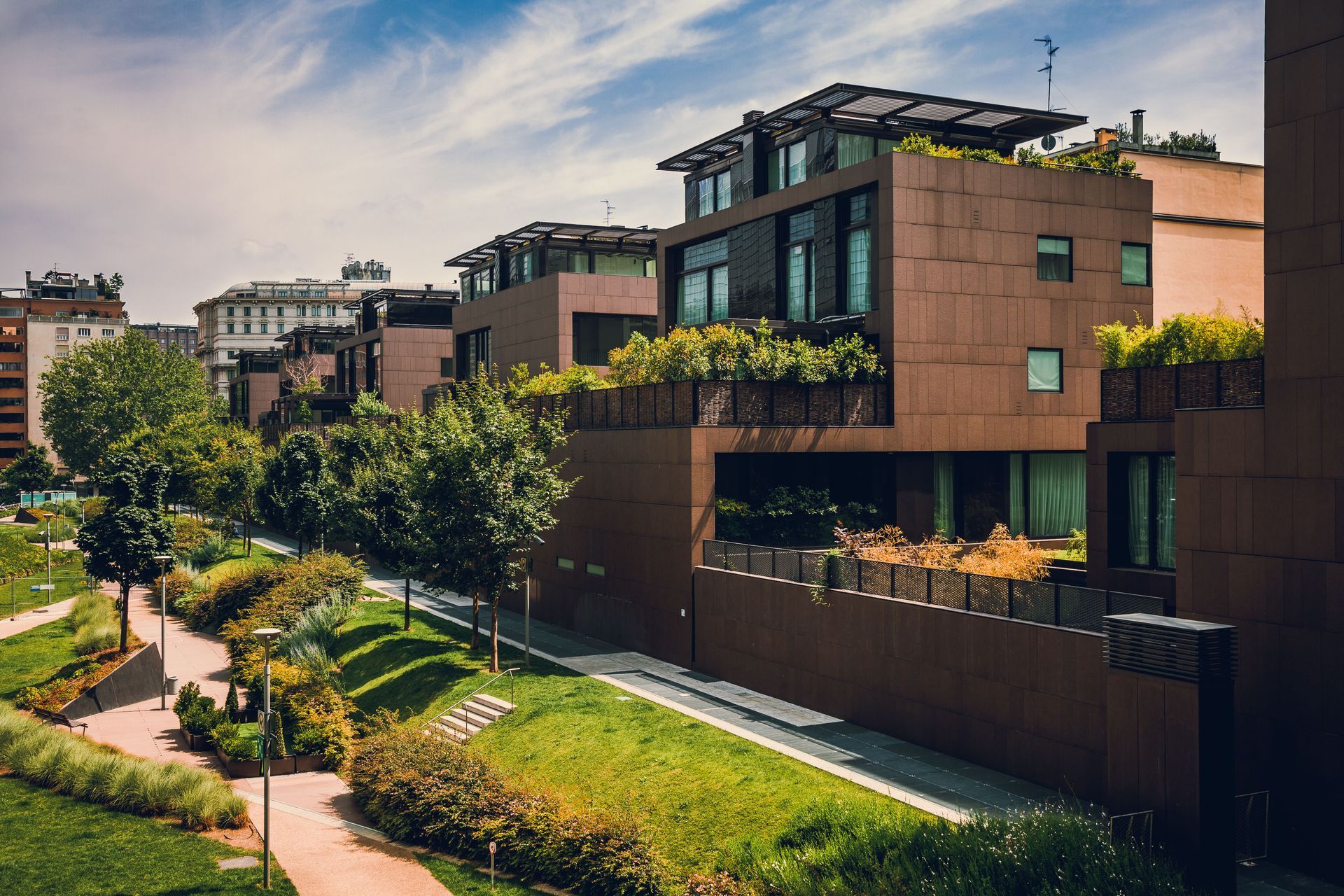
In addition to indoor water use, sustainable buildings address stormwater management through the use of permeable surfaces and green roofs. These systems mitigate run-off, preventing water pollution and replenishing groundwater reserves. Rainwater harvesting systems also play a pivotal role in sustainability by collecting and reusing rainwater for non-potable purposes. This holistic approach to water management not only conserves resources but also reduces operational costs and increases building resilience against changing climatic conditions. The forward-thinking strategies embodied within sustainable building designs exemplify comprehensive water stewardship, aligning with broader environmental objectives.
The incorporation of these water-conserving technologies not only benefits the environment but also provides significant economic advantages. With lower water bills and operational expenses, sustainable buildings demonstrate favorable financial performance over time. Furthermore, as regulatory environments increasingly favor sustainable practices, such innovations position stakeholders advantageously in the face of evolving compliance measures. By prioritizing water conservation, sustainable buildings act as stewards of natural resources, promoting long-term ecological balance. This dual-focus on environmental stewardship and economic prudence showcases the multidimensional benefits of sustainable water management in building design.
Utilization of Renewable Energy Sources
Renewable energy utilization within sustainable building designs is pivotal in reducing reliance on fossil fuels. Solar panels, wind turbines, and geothermal systems are increasingly integrated into building infrastructure, providing clean and renewable sources of energy. By harnessing these natural energy flows, buildings can achieve significant reductions in greenhouse gas emissions. Moreover, renewable energy systems offer the advantage of stabilizing energy costs over time, shielding occupants from volatile market price fluctuations. The transition to renewable not only supports environmental objectives but also aligns with energy independence and resilience goals.
The integration of renewable energy sources in sustainable building designs is supported by advancements in technology and decreasing installation costs. Energy storage systems, such as batteries, enhance the feasibility of integrating these renewable by storing surplus energy for later use. This capability ensures a reliable energy supply, even in periods of low energy generation, promoting energy self-sufficiency. Furthermore, smart grid technologies facilitate the efficient distribution and management of renewable energy across interconnected systems. Together, these advancements create a robust ecosystem for sustainable energy utilization, propelling the adoption of renewable energy solutions forward.
Government incentives and tax rebates play a significant role in encouraging the adoption of renewable energy systems in buildings. These financial incentives lower entry barriers for property owners, promoting broader adoption and supporting industry growth. Additionally, the pursuit of renewable energy aligns with global sustainability goals, leveraging international cooperation toward a collective environmental mission. Building designs that prioritize renewable energy serve as powerful exemplars for future development efforts, demonstrating practical pathways to substantive environmental progress. The successful deployment of these systems signifies a collective commitment to sustainable energy solutions and climate resilience.
Minimization of Waste and Emissions
Minimizing waste and emissions is at the core of sustainable building design philosophy, encompassing various stages from construction to operation and deconstruction. By adopting life-cycle assessment approaches, sustainable buildings target the reduction of waste at all steps, employing recyclable materials and minimizing construction excess. Strategies such as prefabrication not only reduce construction waste but also enhance project efficiency and precision. Waste management plans are integrated into the design process to ensure systematic recycling and composting practices. These proactive measures contribute to diminished environmental impact and align building operations with circular economy principles.
Operational emissions reduction in sustainable buildings is achieved through advanced building management systems and the use of energy-efficient technologies. Automated systems optimize energy use and reduce wasteful consumption patterns, consequently lowering emissions over the building's lifecycle. Furthermore, indoor air quality is improved through the use of eco-friendly and non-toxic materials, lessening volatile organic compounds (VOC) emissions. This results in healthier indoor environments, enhancing occupant satisfaction and well-being. The careful integration of these approaches ensures that sustainable building operations remain environmentally responsible and economically feasible.
Green building standards, such as LEED, establish frameworks for minimizing emissions and waste within building designs. According to the US Green Building Council, LEED-certified buildings not only reduce environmental impact but also report lower maintenance costs and decreased operational expenses. This certification serves as a benchmark for best practices, fostering industry competition and innovation in sustainable building methodologies. As awareness and expertise in sustainable practices continue to grow, these frameworks evolve, continually raising standards and expectations for environmentally conscious construction. Such initiatives ensure a persistent commitment to waste and emissions reduction, positioning sustainable buildings as key players in environmental protection efforts. Be sure to reach out to IGW Architecture today to learn more about our professional sustainable building designs!


Share On: